

Most American sports bettors overlook that less than 20 percent of NBA prop wagers consistently yield positive expected value without deep analytical research. With competition intensifying worldwide, data-driven strategies now separate disciplined bettors from casual players. This guide brings advanced analysis methods to the forefront, helping you tap into reliable data sources, uncover hidden trends, and sharpen your NBA prop betting approach for greater profitability no matter where you wager.
Table of Contents
- 1. Start With Reliable Data Sources
- 2. Analyze Historical Trends And Player Stats
- 3. Assess Defensive Matchups And Usage Rates
- 4. Identify Line Movement And Market Inefficiencies
- 5. Leverage Advanced Predictive Models
- 6. Monitor Injury Reports And Roster Changes
- 7. Review Positive Ev Opportunities Regularly
Quick Summary
| Takeaway | Explanation |
|---|---|
| 1. Use Reliable Data Sources | Prioritize comprehensive and current information to build a solid betting strategy. Validate trends across multiple sources to identify strong opportunities. |
| 2. Analyze Historical Trends | Examine player stats and past performances for deeper insights. Focus on consistency and context to enhance your betting framework. |
| 3. Monitor Injury Reports | Stay updated on player injuries and roster changes, as they can significantly impact game outcomes and betting probabilities. |
| 4. Identify Market Inefficiencies | Track line movements and public betting patterns to discover opportunities where odds may not reflect true probabilities. |
| 5. Focus on Positive EV Bets | Continuously scan the market for wagers where your win probability exceeds bookmaker odds, systematically building your betting portfolio. |
1. Start With Reliable Data Sources
In the high-stakes world of sports betting, your research is only as good as the data you analyze. Successful bettors understand that reliable data sources are the foundation of smart betting strategies.
The internet has revolutionized how we access sports information. Comprehensive sports research sites now provide unprecedented access to detailed player statistics, injury reports, and expert analyses. Sources like ESPN and Pro Football Focus offer real-time data that can give you a significant analytical edge.
When building your research workflow, prioritize sources that provide comprehensive and current information. Look for platforms that offer:
- Up-to-date player statistics
- Comprehensive injury reports
- Team performance metrics
- Historical matchup data
Don’t just collect data passively. Develop a systematic approach to analyzing the information. Cross-reference multiple sources to validate trends and insights. A single data point can be misleading, but consistent patterns across reliable sources reveal powerful betting opportunities.
The historical context of sports betting research demonstrates that data-driven strategies consistently outperform gut feelings or random guesses. By building a robust research foundation, you transform betting from gambling to calculated investing.
Pro tip: Create a digital spreadsheet or research dashboard where you compile and regularly update data from multiple reliable sources, allowing you to quickly identify emerging trends and opportunities.
2. Analyze Historical Trends and Player Stats
In the realm of data-driven betting, understanding historical trends and player statistics is like having a secret playbook. Your ability to dissect past performances can transform random betting into strategic investing.
Professional bettors know that raw statistics tell a deeper story than surface-level game results. Systematic machine learning research demonstrates how comprehensive historical data serves as the foundation for predictive modeling and identifying value bets.
To effectively analyze historical trends, focus on these critical areas:
- Performance consistency
- Player injury history
- Home versus away game statistics
- Head-to-head matchup records
- Recent team momentum
Contextual factors matter immensely. A player’s performance isn’t just about average stats but understanding the nuanced conditions surrounding their gameplay. Weather, game location, team dynamics, and even psychological factors can significantly influence outcomes.
Machine learning algorithms have shown that detailed performance analysis can reveal predictive patterns human analysts might miss. By systematically tracking and comparing player and team metrics across multiple dimensions, you build a robust predictive framework.
Pro tip: Create a dynamic spreadsheet that tracks player and team performance metrics, updating it after each game to spot emerging trends and statistical anomalies.
3. Assess Defensive Matchups and Usage Rates
Understanding defensive matchups and player usage rates is like decoding a complex strategic map of team performance. These metrics reveal hidden insights that can transform your betting approach from guesswork to precision.
Advanced predictive models demonstrate that tactical nuances profoundly impact game outcomes. Usage rates specifically measure how frequently a player is involved in critical plays giving you a granular view of potential impact.
When assessing defensive matchups, consider these key evaluation criteria:
- Individual player defensive metrics
- Team defensive efficiency ratings
- Positional matchup advantages
- Historical performance against specific opponents
- Defensive scheme complexity
Usage rates provide a window into a player’s potential game influence. A high usage rate indicates a player central to team strategy who touches the ball frequently and potentially drives offensive momentum.
Professional bettors recognize that player prop analysis goes beyond basic statistics. It requires understanding the intricate dance between defensive assignments and individual player capabilities.
Pro tip: Create a dynamic scoring system that weights defensive matchup complexity and player usage rates to develop more nuanced predictive models for your betting strategy.
4. Identify Line Movement and Market Inefficiencies
Successful betting is about spotting opportunities others miss. Understanding line movement and market inefficiencies can transform your approach from reactive gambling to strategic investing.
Big data analytics enables bettors to track real-time shifts in betting lines and exploit pricing discrepancies before the market corrects itself.
Key strategies for identifying market inefficiencies include:
- Monitoring initial line releases
- Tracking public betting percentages
- Analyzing sharp money movements
- Understanding bookmaker adjustment patterns
- Recognizing value before line shifts
Line movements reveal critical information about how professional bettors and bookmakers perceive game dynamics. When sophisticated bettors place substantial wagers, lines shift dramatically reflecting insider knowledge.
Advanced research models suggest that model calibration matters more than raw predictive accuracy. The goal is not perfect prediction but identifying mispriced odds offering positive expected value.
Public perception often creates temporary market inefficiencies. Casual bettors frequently overreact to recent performance or media narratives, creating opportunities for disciplined researchers.
Pro tip: Create a spreadsheet tracking line movements across multiple sportsbooks to quickly identify and exploit emerging market inefficiencies before they disappear.
5. Leverage Advanced Predictive Models
The world of sports betting has transformed from gut feeling to algorithmic precision. Advanced predictive models are the new frontier of intelligent betting strategy.
Machine learning techniques like random forests and neural networks now enable bettors to process massive datasets and generate probabilistic game outcome predictions with unprecedented accuracy.
Key components of advanced predictive modeling include:
- Comprehensive data integration
- Machine learning algorithms
- Probabilistic output calibration
- Real-time performance adjustment
- Multi-variable analysis
Successful models go beyond traditional accuracy metrics. Probability calibration research demonstrates that understanding the nuanced likelihood of outcomes matters more than simple win percentage predictions.
Professional bettors recognize that predictive models are living systems. They require constant refinement feeding in new data, adjusting weights, and eliminating outdated assumptions. Think of your model like a high performance athlete constantly training and improving.
The goal is not perfect prediction but consistent edge creation. A model that provides a 1-3% advantage can transform betting from gambling to systematic investing.
Pro tip: Start with open source machine learning libraries and build progressively complex models, beginning with simple linear regression and gradually incorporating more advanced techniques.
6. Monitor Injury Reports and Roster Changes
In the high stakes world of sports betting, information is your most valuable asset. Sports betting research consistently demonstrates that injury reports and roster changes can dramatically shift game dynamics and betting probabilities.
Real time updates provide critical insights that casual bettors often overlook. A single player injury or unexpected lineup change can transform the entire expected outcome of a game.
Key areas to monitor for strategic advantage include:
- Starting lineup modifications
- Unexpected player injuries
- Recent player trades
- Performance impact of substitutions
- Recovery status of key athletes
Professional bettors treat injury reports like gold mines of predictive information. They understand that public betting markets often lag behind in adjusting to these crucial changes, creating opportunities for sharp researchers.
NCAA research highlights the significant role of timely information in making informed betting decisions. The faster you can integrate breaking news into your models, the greater your potential edge.
Consider creating a dedicated information tracking system. Follow beat reporters, team social media accounts, and official injury report channels to stay ahead of market movements.
Pro tip: Develop a weighted scoring system that quantifies the potential game impact of specific player absences, allowing you to quickly calculate how roster changes might affect betting value.
7. Review Positive EV Opportunities Regularly
The difference between amateur and professional bettors is systematic opportunity discovery. Positive expected value represents the holy grail of betting research: wagers where your probability of winning exceeds the implied bookmaker odds.
Predictive analytics research demonstrates that continuous market scanning can reveal mispriced betting opportunities before they disappear.
Key strategies for positive EV opportunity identification include:
- Consistent market scanning
- Dynamic model recalibration
- Real time odds comparison
- Probabilistic value assessment
- Systematic record keeping
Successful bettors treat their research like an investment portfolio. Advanced machine learning models show that well-calibrated predictive systems can systematically identify value bets by comparing implied probabilities against calculated win chances.
Think of positive EV opportunities like arbitrage moments in financial markets. They exist briefly and require rapid recognition and execution. The most successful bettors develop robust systems that can quickly identify and capitalize on these fleeting advantages.
Remember that positive EV is not about winning every bet but maintaining a statistical edge over numerous wagers. Consistency and disciplined research create long term profitability.
Pro tip: Develop a daily research routine that includes scanning multiple sportsbooks, comparing live odds, and updating your predictive models with the latest performance data.
Below is a comprehensive table summarizing essential insights and strategies for applying data-driven sports betting techniques as discussed throughout the article.
| Category | Key Concepts | Implementation Tips |
|---|---|---|
| Collecting Reliable Data | Access comprehensive and current player and team information from trusted sources. | Use established platforms like ESPN, and create dashboards for efficient data aggregation. |
| Analyzing Historical Trends | Understand performance consistency, past matchups, and trends to inform decisions. | Track and contextualize statistical data over time for predictive insights. |
| Evaluating Defensive Matchups | Assess team and player defensive metrics along with usage rates. | Develop scoring systems to account for matchup complexity and individual player impacts. |
| Monitoring Market Movements | Identify opportunities via line movements and value estimation. | Record and compare line shifts across multiple sportsbooks. |
| Adopting Predictive Models | Use advanced algorithms for probabilistic outcome prediction. | Employ machine learning techniques, updating models with fresh data consistently. |
| Tracking Roster Updates | Stay informed on player injuries and team lineup changes. | Follow real-time updates and weigh their importance for game outcomes. |
| Identifying Positive EV Bets | Regularly scan for bets with a statistical advantage over bookmaker odds. | Maintain disciplined records and adjust strategies based on observed patterns. |
Gain the Edge with Data-Driven Betting Insights
If you are tired of relying on gut feelings and want to master the art of smart sports betting your journey begins with embracing proven research strategies like those outlined in “7 Proven Betting Research Tips for Data-Driven Bettors”. The challenges of analyzing complex data such as usage rates defensive matchups and finding positive expected value (EV) opportunities require a systematic approach backed by powerful tools.
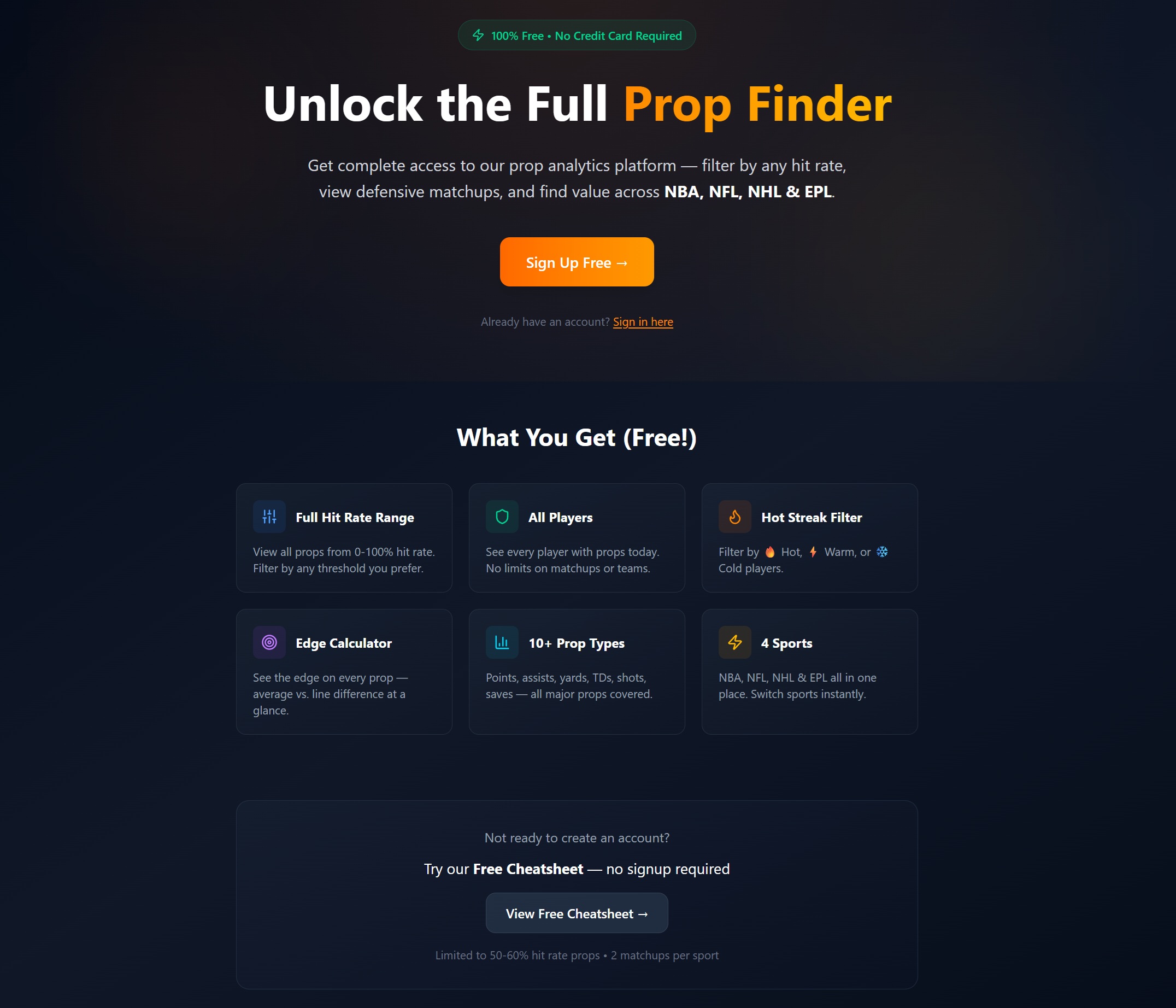
At Stats Bench we bridge the gap between casual gambling and mathematical investing by providing daily models that analyze thousands of data points across NBA Player Props NFL Spreads NHL Shot Totals and more. Our platform helps you turn historical trends injury reports and market inefficiencies into actionable advantages. Take control of your betting strategy now by exploring our comprehensive cheatsheet that empowers you with data-driven insights. Don’t wait for luck to change your betting outcomes visit Stats Bench and get the analytical edge to win long-term today.
Frequently Asked Questions
How do I find reliable data sources for sports betting research?
Start by identifying websites that provide comprehensive statistics, injury reports, and expert analyses. Use reputable platforms like ESPN or specialized research sites to compile current player metrics and team performance data.
What key historical trends should I analyze for betting?
Focus on performance consistency, player injury history, and head-to-head matchup records. Collect data on how each team performs at home versus away and track recent team momentum for more informed betting decisions.
How do I assess defensive matchups for better betting outcomes?
Evaluate individual player defensive metrics, team defensive efficiency, and historical performance against specific opponents. By understanding these factors, you can make more accurate predictions of how a game may unfold, enhancing your betting strategy.
What is positive expected value, and how can I identify it in betting?
Positive expected value (EV) indicates bets where your chances of winning exceed the bookmaker’s odds. Regularly scan betting markets, compare odds, and use record-keeping to systematically identify these opportunities for profitable wagering.
How can I effectively track line movements and market inefficiencies?
Monitor initial line releases and public betting percentages to spot shifts. Create a simple spreadsheet to log changes across multiple sportsbooks, which will help you react quickly to emerging market inefficiencies before they correct themselves.
What tools can I use to leverage advanced predictive models in betting research?
Start with open-source machine learning libraries to build predictive models, beginning with basic linear regression. Gradually incorporate more advanced techniques to analyze a wide range of metrics and refine your betting strategies over time.