

Most American bettors are surprised to learn that more than 80 percent of professional sports profits come from structured betting systems rather than gut instincts. This matters because unmanaged risks and emotional choices can drain your bankroll quickly. Understanding how modern American betting systems use data analysis helps you shift from random gambling to calculated investing, giving you a real statistical edge over casual players.
Table of Contents
- What Are Betting Systems and Why They Matter
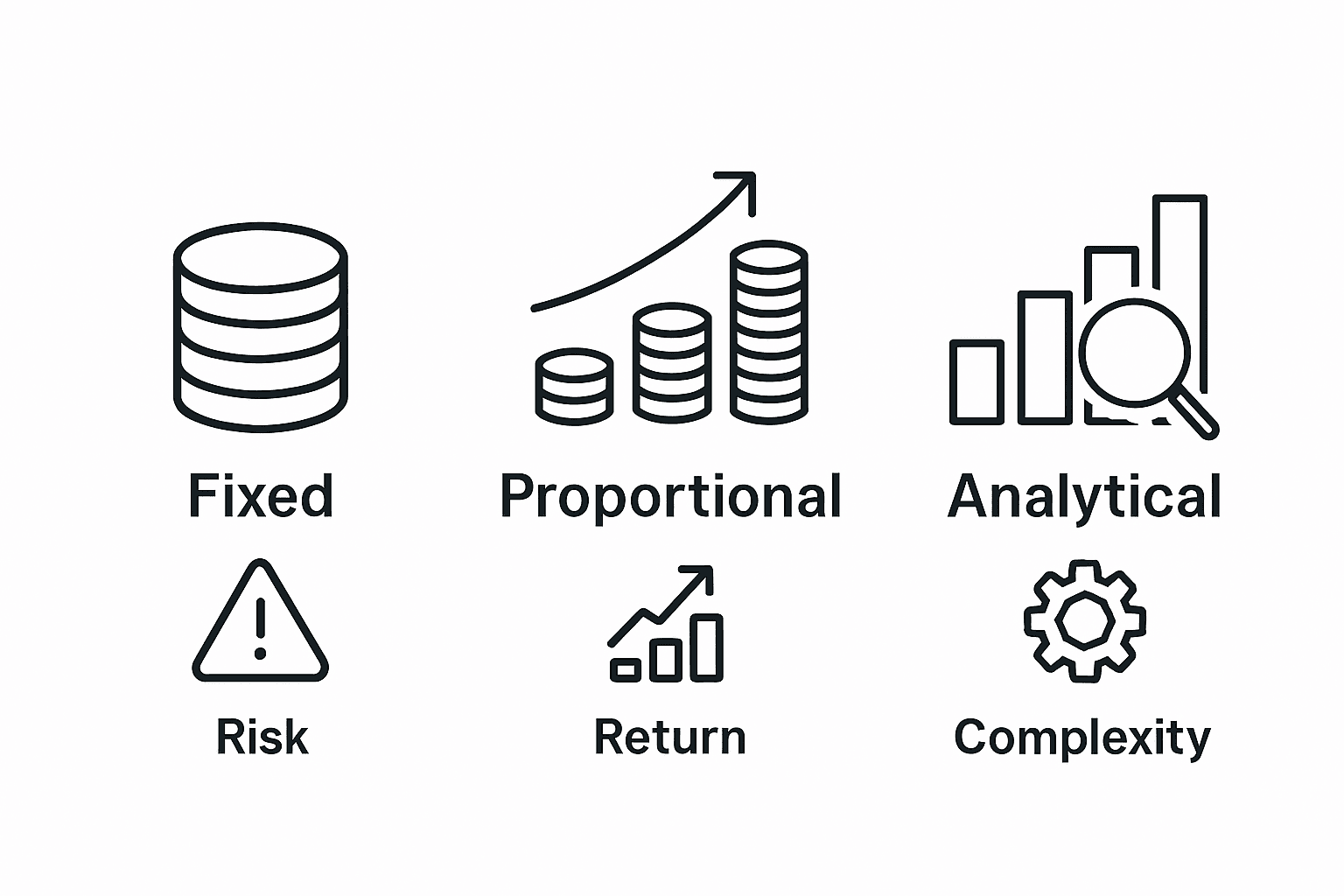
- Types of Betting Systems: Fixed, Proportional, Analytical
- Data Models vs. Gut Feelings: The True Edge
- Risk Management and Protecting Your Bankroll
- Mistakes With Unsystematic Betting and How to Avoid Them
- Leveraging Tools Like the Stats Bench Cheat Sheet
Key Takeaways
| Point | Details |
|---|---|
| Structured Betting Systems | Employing a systematic approach through betting systems can transform random wagering into a calculated investment strategy. |
| Data-Driven Decision Making | Using machine learning and statistical analysis significantly enhances predictive accuracy and minimizes emotional biases in betting. |
| Financial Discipline | Treat your betting bankroll like an investment portfolio, applying strict risk management principles to ensure long-term sustainability. |
| Avoid Emotional Pitfalls | Developing objective betting protocols can eliminate cognitive biases and improve overall betting performance. |
What Are Betting Systems and Why They Matter
Sports betting isn’t gambling – it’s mathematical investing. A betting system represents a structured, data-driven approach designed to transform random wagering into a strategic financial activity. Unlike pure chance scenarios, sophisticated betting systems leverage statistical analysis and predictive modeling to identify opportunities where probabilities suggest potential profit.
Traditional betting relies on gut feelings and emotional impulses, but modern betting systems are fundamentally different. Machine learning techniques have revolutionized sports betting predictions, enabling bettors to analyze complex datasets and uncover hidden value opportunities that casual players miss. These systems don’t guarantee wins – they statistically improve your probability of making informed decisions.
At its core, a betting system is about understanding expected value and risk management. Professional bettors recognize that consistent profit comes from making mathematically sound choices across multiple wagers, not hitting a single lucky bet. Betting strategies systematically analyze statistical trends to minimize losses and maximize potential returns. Key components include:
- Precise bankroll allocation
- Statistical probability assessment
- Comprehensive matchup analysis
- Dynamic odds evaluation
- Systematic risk mitigation
Pro Tip: Treat Betting Like an Investment Portfolio: Develop a disciplined approach where each bet represents a calculated investment, not a random guess. Diversify your wagers, track performance metrics, and always prioritize long-term statistical edges over short-term emotional impulses.
Types of Betting Systems: Fixed, Proportional, Analytical
Betting systems are not one-size-fits-all strategies, but rather specialized approaches designed to manage risk and maximize potential returns. Sports betting systems involve sophisticated staking plans and strategic bet selection, each with unique methodologies for managing financial risk and identifying value opportunities.
Fixed Betting Systems represent the most straightforward approach, where bettors consistently wager the same dollar amount regardless of previous outcomes. This method provides predictable risk management and protects against emotional decision-making. Professional bettors often recommend fixed systems for beginners because they enforce discipline and prevent catastrophic bankroll depletion.
Proportional Betting Systems introduce a more dynamic approach, adjusting stake sizes based on current bankroll and confidence levels. These systems typically involve betting a consistent percentage of your total funds rather than a fixed dollar amount. Key variations include:
- Kelly Criterion method
- Percentage-based progressive betting
- Confidence-weighted stake allocation
- Dynamic risk adjustment strategies
Analytical Betting Systems represent the most sophisticated approach, leveraging complex statistical models and machine learning algorithms to identify value bets. These systems go beyond simple stake management, incorporating:
- Advanced predictive modeling
- Real-time statistical trend analysis
- Comprehensive matchup evaluation
- Probabilistic outcome calculations
- Continuous performance optimization
Pro Tip: System Selection Strategy: Choose a betting system that matches your risk tolerance, analytical skills, and bankroll size. Start with fixed systems to build discipline, then progressively transition to more complex analytical approaches as your skills and understanding improve.
Here’s a concise comparison of major betting system types and when to use them:
| Betting System Type | Ideal User Profile | Risk Control Level | Analytical Complexity |
|---|---|---|---|
| Fixed | Beginners, discipline seekers | High | Very Low |
| Proportional | Intermediate, growth-focused | Moderate | Moderate |
| Analytical | Professionals, data experts | Variable (customized) | High |
Data Models vs. Gut Feelings: The True Edge
The fundamental difference between successful sports betting and amateur gambling lies in decision-making methodology. Machine learning models demonstrate superior predictive capabilities by selecting probabilistic approaches based on precise calibration, systematically dismantling the unreliable nature of intuitive betting strategies.

Gut Feelings represent the most dangerous approach to sports betting. These emotionally driven decisions are riddled with cognitive biases that systematically destroy betting profitability. Humans naturally gravitate toward confirmation bias, overestimating their predictive abilities and undervaluing complex statistical relationships. Amateur bettors frequently mistake pattern recognition for genuine insight, leading to catastrophic long-term financial losses.
Data Models, by contrast, eliminate human emotional interference. These sophisticated analytical frameworks transform betting from a game of chance to a calculated investment strategy. Key advantages of data-driven approaches include:
- Objective decision-making
- Quantifiable risk assessment
- Consistent performance tracking
- Elimination of emotional interference
- Scalable predictive algorithms
Successful data modeling requires understanding that probability is not about predicting individual outcomes, but about identifying systematic value across multiple betting scenarios. Professional bettors don’t chase wins – they construct probabilistic frameworks that generate consistent, marginal advantages over time.
Pro Tip: Emotion Elimination Strategy: Develop a strict decision-making protocol where data always supersedes personal intuition. Create a standardized checklist that requires empirical evidence before placing any wager, effectively removing emotional impulses from your betting process.
Below is a summary of how data models outperform gut instincts in sports betting:
| Decision Approach | Predictive Accuracy | Emotional Influence | Scalability |
|---|---|---|---|
| Gut Feelings | Unreliable, inconsistent | High | Not scalable |
| Data Models | Consistent, statistically strong | Minimal | Easily scalable |
Risk Management and Protecting Your Bankroll
Successful sports betting demands more than predictive skill – it requires disciplined financial management. A well-defined staking plan serves as the critical foundation for protecting betting capital, transforming gambling from a high-risk activity into a calculated investment strategy.
Bankroll Protection represents the most fundamental principle of professional sports betting. Amateur bettors view their funds as disposable entertainment money, while professional investors treat their bankroll as a critical financial asset. This mindset shift means implementing strict rules that prevent emotional decision-making and catastrophic losses. The primary goal is sustainability – ensuring you can continue betting intelligently even after experiencing temporary setbacks.
Risk Management Strategies provide multiple layers of financial defense. Professional bettors typically employ sophisticated techniques to minimize potential damage:
- Never risk more than 1-3% of total bankroll per bet
- Establish clear loss limits and strict exit points
- Create separate accounts for betting funds
- Implement systematic stake reduction during losing periods
- Develop automated tracking for performance metrics
The mathematics of sports betting reveals a stark reality: consistent, small wins outperform sporadic large victories. Professional bettors understand that preservation of capital matters more than chasing massive payouts. By treating betting as a long-term investment strategy with controlled risk, you transform gambling from an emotional impulse into a methodical financial approach.
Pro Tip: Bankroll Preservation Protocol: Treat your betting funds like a professional investment portfolio – diversify your risks, set strict percentage-based bet limits, and never allow a single bad streak to wipe out your entire capital reserves.
Mistakes With Unsystematic Betting and How to Avoid Them
Unsystematic betting represents the fastest path to financial destruction, where emotional impulses and random decision-making replace calculated, data-driven strategies. Amateur bettors frequently mistake sporadic wins for genuine skill, falling into predictable psychological traps that drain their bankroll and undermine long-term profitability.
Cognitive Biases systematically destroy betting performance. The most dangerous psychological pitfalls include:
- Gambler’s fallacy (believing past outcomes predict future results)
- Confirmation bias (seeking information that validates preexisting beliefs)
- Loss chasing (increasing bets after consecutive losses)
- Overconfidence from short-term winning streaks
- Emotional attachment to specific teams or players
Strategic Risk Management requires a disciplined approach that eliminates emotional decision-making and implements mathematical principles. Professional bettors understand that consistent, small victories matter more than occasional massive wins. This means developing a systematic framework that:
- Standardizes bet sizing
- Creates objective evaluation criteria
- Removes emotional interference
- Tracks comprehensive performance metrics
- Implements strict loss prevention protocols
Successful betting is a long-term mathematical game. Each wager should be viewed as a calculated investment, not a random chance to win big. By treating your betting approach with the same rigor a financial analyst applies to stock market investments, you transform gambling from an emotional impulse into a structured, data-driven strategy.
Pro Tip: Emotional Firewall Strategy: Create a predetermined, mathematically-derived betting protocol that automatically overrides emotional impulses. Write down your exact criteria for placing a bet and strictly enforce those rules, regardless of momentary feelings or intuitions.
Leveraging Tools Like the Stats Bench Cheat Sheet
Machine learning techniques have revolutionized sports betting by enabling more accurate predictive modeling, transforming data analysis from a complex academic exercise into practical, actionable betting strategies. Modern betting tools represent far more than simple calculators – they are sophisticated analytical platforms designed to deconstruct complex sports data into mathematically precise insights.
Analytical Tools bridge the critical gap between raw data and profitable betting decisions. Professional bettors understand that successful wagering requires more than intuition – it demands systematic, data-driven approaches. These tools typically incorporate advanced features like:
- Real-time statistical trend analysis
- Probabilistic outcome modeling
- Performance metric aggregation
- Predictive machine learning algorithms
- Dynamic risk assessment frameworks
Advanced Simulation Technologies like agent-based betting exchange models enable bettors to test strategies without risking actual capital. These sophisticated platforms allow users to:
- Simulate thousands of potential betting scenarios
- Evaluate strategy performance under different conditions
- Identify potential weaknesses in existing betting approaches
- Generate high-resolution predictive datasets
- Refine betting algorithms with minimal financial exposure
The most effective betting tools don’t just provide information – they transform complex data into actionable intelligence. By leveraging these advanced analytical platforms, bettors can move from guesswork to calculated investment, systematically improving their long-term probability of success.
Pro Tip: Tool Integration Strategy: Select analytical tools that provide comprehensive, real-time data integration and customize them to your specific betting approach. Treat these platforms as dynamic learning environments, continuously refining your strategy based on empirical performance metrics.
Gain a Real Analytical Edge with Proven Betting Systems
The article highlights a critical challenge every bettor faces: moving beyond gut feelings and unsystematic betting toward mathematically sound, data-driven strategies. If you want to protect your bankroll and consistently identify Positive EV opportunities using proven concepts like bankroll allocation and predictive modeling, you need tools designed for precision and reliability. This is exactly where Stats Bench excels by transforming complex sports data into actionable insights that help you build disciplined, profitable betting systems.

Take control of your sports betting today with the Stats Bench Cheat Sheet, your gateway to daily analytics powered by thousands of data points including usage rates and defensive matchups. Whether you focus on NBA Player Props, NFL Spreads, or NHL Shot Totals, our models deliver the real analytical edge needed to win long-term. Stop relying on luck and start betting like a professional by integrating these advanced strategies now.
Frequently Asked Questions
What are betting systems in sports wagering?
Betting systems are structured, data-driven approaches designed to turn random betting into a strategic financial activity. They utilize statistical analysis and predictive modeling to identify betting opportunities that suggest potential profit.
How do fixed, proportional, and analytical betting systems differ?
Fixed betting systems involve wagering the same dollar amount consistently, while proportional systems adjust stakes based on current bankroll and confidence levels. Analytical systems leverage advanced statistical models and machine learning to find value bets.
Why are data models preferred over gut feelings in betting?
Data models offer objective decision-making and quantifiable risk assessments, eliminating emotional biases that often lead to poor betting decisions. They provide consistent performance tracking and rely on statistical analysis rather than intuition.
What are some effective risk management strategies for bettors?
Effective risk management strategies include never betting more than 1-3% of your total bankroll, setting clear loss limits, tracking performance metrics, and implementing stake reduction during losing streaks to protect your betting capital.
Recommended
- Betting Trends Analysis Process for Profitable Wagers
- Why Use Betting Data: Gaining a Sharp Edge
- Why Track Betting Data: Boosting Smart Wagers
- Betting Trend Insights: How They Influence Wagering Decisions
- Market Basket Analytics Guide: Strategies for 2025 – ApusNest Blog | ApusNest
Free preview
See today’s MLB player props on StatsBench
Live lines, last-10 hit rates and the best price across about 60 books. No account needed to look.
Open the MLB player props board →
Prefer email? Get the daily picks newsletter.