
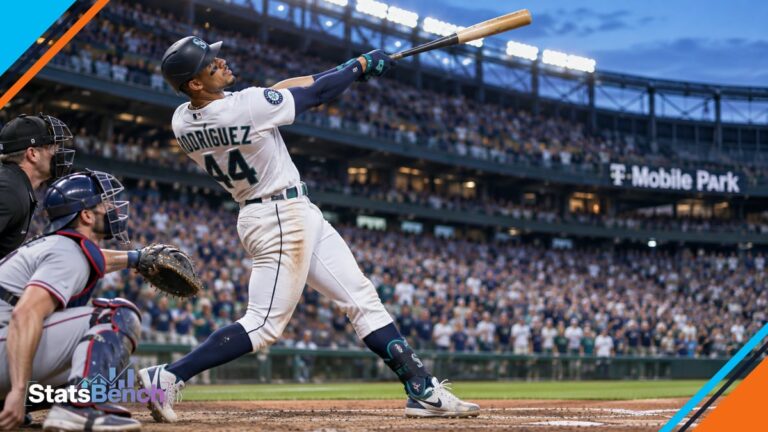
An underdog is the team or player the market expects to lose. In betting, that expectation gets a price: +150 means a $100 stake returns $150 in profit if the underdog wins. The gap between the price and the real chance is the practical side of underdog meaning in betting, and everything below builds from it.
Short version: the underdog is the plus-money side. Plus money shows up because the market thinks that side loses more often than it wins.
What does underdog mean in betting?
An underdog is the side a sportsbook prices as less likely to win. Books list it at plus money, so a winning bet returns more than the stake. The favorite on the other side carries minus money and a smaller return.
Both prices describe the same event. A market cannot have two favorites, and it cannot have two underdogs.
Here is how plus prices convert to implied probability:
| Price | Implied probability | $100 stake returns |
|---|---|---|
| +100 | 50.0% | $100 profit |
| +150 | 40.0% | $150 profit |
| +200 | 33.3% | $200 profit |
| +300 | 25.0% | $300 profit |
| +500 | 16.7% | $500 profit |
Nothing about +200 says the underdog has a 50% shot. It says the book prices that side near 33%, before the margin baked into both sides is added back in.
Plus money is a price, not a prediction. Long prices mean the market expects the underdog to lose, and often.
Run any number through the implied probability calculator to see the percentage the book is using.
What does moneyline mean?
The moneyline is the market on who wins outright, with no spread or handicap attached. An underdog moneyline bet is the simplest way to back a team the market expects to lose.
Say an underdog sits at +180. A $100 bet returns $180 in profit if that team wins. Flip it and the favorite at -180 needs $180 at risk to return $100. Same game, two very different risk profiles.
That differs from a spread market, where the underdog gets points and the price flattens toward even money. If the spread concept is still fuzzy, our breakdown of what the spread means in betting walks through it.
Prices come in American, decimal and fractional formats. The odds converter moves between them without the mental math.
What is the run line in baseball?
The run line is baseball’s fixed handicap, almost always 1.5 runs. The favorite gives 1.5 (-1.5) and the underdog takes 1.5 (+1.5).
So there are two ways to back the same underdog. On the moneyline you need a straight win. On the run line, the underdog can lose by one run and the bet still cashes.
The prices tell you what that cushion costs. Run line +1.5 usually sits at minus money, because one-run games are a huge share of MLB results. The moneyline on the same club is usually plus money. You are trading payout for protection.
That is also why a short plus price on an underdog moneyline is worth a second look. It means the book sees the game as close to a coin flip, not a mismatch. The MLB props preview puts those team prices next to the player markets for the same game.
What does puck line mean in hockey?
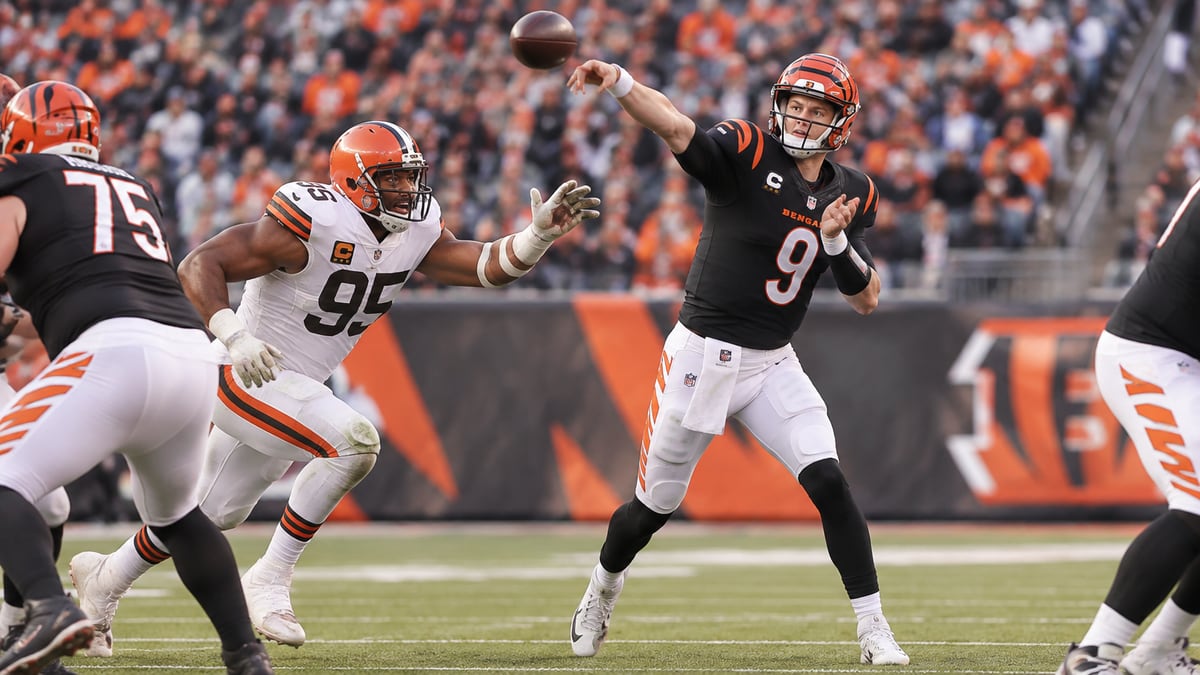
The puck line is hockey’s 1.5-goal handicap. The favorite gives 1.5, the underdog takes 1.5, and there is no push because the line sits on a half goal.
Hockey adds a wrinkle baseball does not: empty-net goals. A one-goal game with the net empty can flip a puck line in the final minute, which is why the +1.5 price on a live underdog is not as safe as it looks on paper. It is a real risk, not a formality.
If you want to research an NHL underdog properly, the NHL prop board lines up prices across books, and the daily NHL player props page shows how the research reads on a given slate.
Do underdogs win often enough to bet?
Not often, by definition. The real question is whether the price pays more than the true chance of winning.
Here is a snapshot from a November 2026 StatsBench props board, filtered to plus-money prices:
| Prop | Hit rate | Best price |
|---|---|---|
| Cutter Gauthier goals over 0.5 (ANA at COL) | 10/10 | +105 |
| Justin Herbert interceptions over 0.5 (LAC vs NYJ) | 8/10 | +112 |
| PJ Haggerty steals over 1.5 (TA&M at TCU) | 4/10 | +170 |
| Urko Gonzalez de Zarate yellow card over 0.5 (ESY at ATH) | 3/10 | +175 |
Two patterns jump out. Long prices and short records usually travel together: a 3/10 card record at +175 is roughly the market’s own estimate, so there is no story there. The interesting rows are the ones where the record and the price disagree, like a 10/10 record priced barely above even money.
Even then, ten games is a small sample. A player can clear a line ten straight times and still be a coin flip the next night. Hit rates describe what happened, not what will. That is the whole reason variance in betting matters more than any single streak.
What is arbitrage betting?
Arbitrage betting means backing every outcome of the same event at different books, at prices where the combined return beats the total stake. If the math holds, the payout is the same whatever happens on the field.
In practice the window is thin. You need the implied probabilities of all outcomes to add up to less than 100%, which means two books disagreeing by more than both of their margins. Lines move in seconds, so the gap usually closes before both bets are placed.
There are other catches. Books limit accounts that arb consistently. Rules differ between books on voided bets, dead heats and overtime, and a difference in the rules can turn a clean position into a losing one.
Start by removing the margin. The de-vig calculator turns a two-sided price into a fair percentage, which is the only honest way to check whether a gap is real or just juice. Our guide to removing the vig from betting odds goes deeper on the method.
How should you research an underdog before you bet it?
Start with the price, not the team name. The same underdog is rarely the same number at every book, and that difference is the cheapest edge on the board.
- Compare the price across books before you look at anything else.
- Check the record behind the recent form, and note the sample size.
- Look at the matchup: pace, opponent strength, and role changes.
- Size the bet so a losing streak does not change how you think.
StatsBench pulls odds from 30+ sportsbooks, DFS apps and exchanges into one view, so the comparison takes a screen instead of five tabs. Every prop carries a hit rate with its record attached, plus a +EV percentage you can sort by when you want the market’s disagreements at the top. It is research, not picks. The judgment stays with you.
One more thing worth saying plainly: underdogs lose more often than they win, and any edge here is long-run. Bet within your means, 21+ where legal, and treat 1-800-GAMBLER as a resource if it stops being fun.
Free preview
See today’s NBA player props on StatsBench
Live lines, hit rates and the best price across 30+ books and pick’em apps. A free preview shows today’s first props; a free account shows more.
Open the NBA player props board →
Prefer email? Get the daily picks newsletter.
Frequently Asked Questions
What does underdog mean in betting?
The underdog is the side the sportsbook prices as less likely to win, usually listed at plus money. A +150 underdog returns $150 in profit on a $100 stake. The favorite on the other side is priced at minus money with a smaller return.
Is a plus-money underdog automatically a good bet?
No. A long price just means the market expects that side to lose more often than it wins. The bet is only worth making when your estimate of the real chance is higher than the implied probability in the price, and even then it is a long-run edge, not a single-game certainty.
What is the difference between the moneyline and the run line?
The moneyline is who wins outright. The run line is baseball’s 1.5-run handicap, so the favorite gives 1.5 runs and the underdog takes them. An underdog on the run line can lose by one run and still cash, which is why that price is usually shorter than the moneyline.
What does puck line mean in hockey betting?
The puck line is a 1.5-goal handicap. The favorite gives 1.5 goals and the underdog takes 1.5, with no push because the line sits on a half goal. Empty-net goals late in a one-goal game are the biggest reason plus-money puck line bets swing at the buzzer.
Is arbitrage betting actually risk-free?
Only on paper. You need two books disagreeing by more than their combined margin, and the lines often move before both bets land. Books also limit accounts that arb regularly, and differing house rules on voids or overtime can sink an otherwise balanced position.
 Today's NBA picks


 Today's NFL picks

 Today's NHL picks



 Today's College Football picks



 Today's College Basketball picks
 Today's La Liga picks


 Today's Bundesliga picks



 Today's Ligue 1 picks



 Today's MLS picks



 Today's CS2 picks


 Today's Valorant picks


 Today's Dota 2 picks



 PHI
 BOS
 DET
 MIA
 ATL
 NY
 CLE
 ORL
 TOR
 IND
 WSH
 CHA
 CHI
 BKN
 MIL
 LAL
 SA
 HOU
 MIN
 MEM
 POR
 DEN
 OKC
 DAL
 GS
 PHX
 NO
 LAC
 UTAH
 SAC
 BUF
 KC
 JAX
 CIN
 DEN
 PIT
 CLE
 NE
 LV
 BAL
 HOU
 IND
 NYJ
 LAC
 MIA
 TEN
 SF
 DET
 NYG
 CAR
 MIN
 CHI
 GB
 SEA
 LAR
 DAL
 WSH
 TB
 NO
 ATL
 ARI
 PHI
 CAR
 TB
 OTT
 NJ
 MTL
 BOS
 NYR
 FLA
 NYI
 WSH
 BUF
 PHI
 DET
 TOR
 PIT
 CBJ
 EDM
 MIN
 VGK
 DAL
 COL
 NSH
 UTA
 ANA
 WPG
 STL
 SJ
 CGY
 SEA
 LA
 CHI
 VAN
 UGA
 UTAH
 ND
 UCLA
 MIA
 IU
 ALA
 TEX
 TENN
 WAKE
 TTU
 BYU
 IOWA
 ORE
 BOIS
 OSU
 UK
 USC
 ARIZ
 HOU
 LOU
 LIB
 FLA
 MEM
 MISS
 MSU
 CONN
 UVA
 DUKE
 ILL
 KU
 SJU
 VAN
 MICH
 ARK
 GONZ
 NEB
 LSU
 Premier League table
 ARS
 BHA
 MCI
 LIV
 CHE
 EVE
 BOU
 BRE
 LEE
 AVL
 TOT
 NEW
 Hull City
 IPS
 FUL
 NFO
 Coventry
 MUN
 SUN
 CRY
 BAR
 RMA
 ATM
 BET
 RSO
 SEV
 ATH
 VIL
 DEP
 RAC
 CEL
 ALA
 ESY
 RAY
 GET
 OSA
 LVT
 ELC
 VAL
 MAL
 Serie A table
 LAZ
 INT
 ROM
 MIL
 COM
 Frosinone
 JUV
 BOL
 CAG
 NAP
 TOR
 ATA
 GEN
 LEC
 FIO
 PRM
 SAS
 MON
 VEN
 UDI
 FCB
 BVB
 SCF
 RBL
 B04
 SVW
 SV Elversberg
 VFB
 TSG
 SGE
 HSV
 M05
 SC Paderborn 07
 FCA
 KOE
 FCU
 FC Schalke 04
 BMG
 PSG
 LOSC
 PFC
 OM
 LYO
 NCE
 ASM
 REN
 B29
 LOR
 LEN
 TOU
 STR
 AUX
 Le Mans
 ANG
 Troyes
 LEH
 Champions League table
 Como
 BRU
 SCP
 Real Betis
 Lask Linz
 Manchester United
 GAL
 FEN
 AS Roma
 SHK
 Viking
 PSV
 BOD
 FC Porto
 AEK Athens FC
 Sabah FA
 FEY
 Lens
 SLA
 SLV