
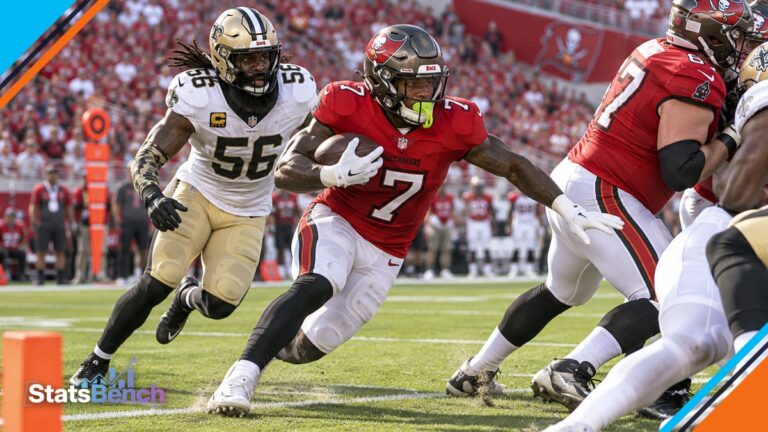
The NFL inactives report is the last piece of hard information you get before kickoff. Ninety minutes out, each team names the players who cannot dress, and every name on that list moves a prop line somewhere. Reading it quickly is one of the few real edges still available in public information.
What follows is a routine, not a picks list. It takes about twenty minutes and it fixes the most common late mistake: betting a number that was built for a roster which no longer exists.
What the NFL Inactives Report Actually Is
Game-day rosters are 48 players. Teams get there by naming seven inactive players off the 53-man roster, then elevating a practice squad player or two. The list is official, it lands at the same minute for both teams, and it is final for that game.
Three different things show up on it, and they mean different things for your research:
- Injury inactives. A player ruled out on Friday, or a questionable name who could not go. This is the group that reprices the board.
- Healthy scratches. A veteran rest day, a rookie who is not ready, a numbers crunch at a deep position. No injury, same effect on the depth chart.
- Special designations. The emergency third quarterback sits in his own category, so a QB name on the list is not always the same as a QB who cannot play.
The league posts the official list at NFL.com/inactives, and team accounts publish it at the same time. Beat writers for the team you care about usually flag a surprise a minute early.
Why the List Moves Prop Lines
A prop line is a guess about opportunity. Targets, carries, snaps and pass attempts get spread across whoever is on the field. Remove a player and those opportunities do not disappear, they get reassigned. Books know that and reprice within minutes.
The part most bettors miss is the second-order effect. The obvious replacement gets priced tight right away. The third option, the slot receiver who picks up two extra targets, or the tight end who stays in to block more, often does not. That is where a stale number survives longest.
Prices are also uneven in that window. One book moves on the news, another waits for a risk desk to sign off. The StatsBench NFL prop board shows the same prop at multiple books side by side, so you can see who has already adjusted and who has not.
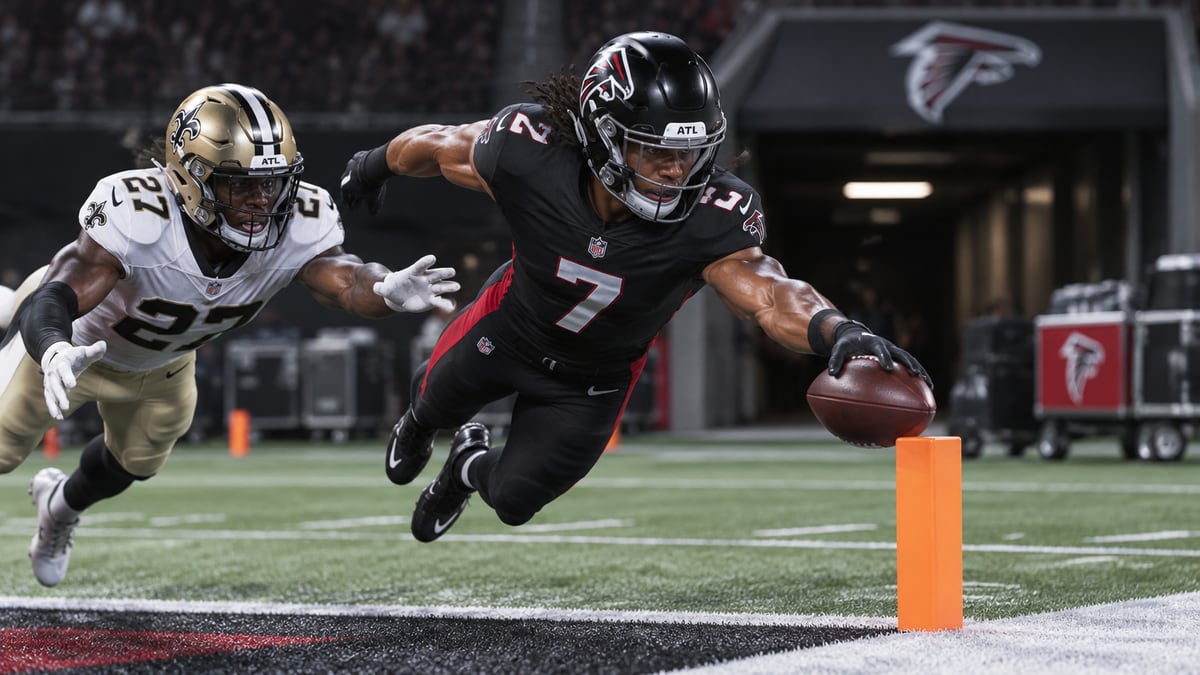
How to Read the Inactives Report in Six Steps
Work the list in order. Each step narrows what is left to look at, so you are not chasing twelve players at once.
- Throw out Friday’s questionable tags. A questionable designation covers a player who will take 60 snaps and a player who will not dress at all. Only the game-day list settles it.
- Start at quarterback. If the starter is out, every pass-catcher line on that team needs re-reading, and the opposing defense gets a bump too.
- Map vacated snaps, not vacated names. Ask who took those snaps the last time the starter missed. Our NFL snap counts breakdown is built for exactly that question.
- Check the offensive line. Two interior inactives change a run game more than a WR3 does. More pressure means more checkdowns and fewer deep shots.
- Read the healthy scratches for intent. A contender resting a veteran in a game with a big spread tells you how the team views the next four quarters.
- Price it last. If the number already moved past fair, pass. Run the new price through the implied probability calculator before you decide it still looks good.
Every prop on the board also carries a +EV % against the best available price, which is a useful tiebreaker when two numbers look similar. Treat it as a long-run signal across many bets, never as a reason a single one has to win.
Where the NFL Weather Report Fits In
An NFL weather report matters most for wind, then for rain, then for cold. Wind is the one condition that reliably changes what an offense can call, because deep throws and long field goals become riskier for both teams.
Rain mostly affects footing and ball security, which nudges fumbles and short-area work. Cold is the most overrated of the three, since both teams play in it.
Pair the two inputs. A team missing its starting left tackle in heavy wind is a different running team than the same roster indoors. Use a stadium-level forecast from the National Weather Service rather than a city app, because wind downtown is not wind in the bowl.
A Dated Snapshot of the Board
Here is a real slice of the StatsBench NFL prop board from a November 2026 slate, seven games, captured after the day’s rosters were set. Records are each player’s last ten games against the listed line, and the price is the best available across the books we track.
| Player (team) | Prop | Line | Last 10 | Best price |
|---|---|---|---|---|
| Theo Johnson (NYG) | Longest reception | 7.5 | 10/10 | -109 |
| David Montgomery (HOU) | Longest reception | 8.5 | 9/10 | -109 |
| Travis Hunter (JAX) | Longest reception | 7.5 | 9/10 | -114 |
| Trey McBride (ARI) | Receptions | 5.5 | 9/10 | -139 |
| Xavier Hutchinson (HOU) | Receptions | 2.5 | 9/10 | -156 |
| Daniel Jones (IND) | Rushing attempts | 2.5 | 9/10 | -138 |
| Dallas Turner (MIN) | Solo tackles | 1.5 | 9/10 | -119 |
| Kirk Cousins (MIN) | Passing TDs | 1.5 | 8/10 | +108 |
| J.K. Dobbins (DEN) | Rushing yards | 22.5 | 8/10 | -110 |
| Joe Burrow (CIN) | Longest rush | 6.5 | 8/10 | -122 |
| Rome Odunze (CHI) | Receptions | 2.5 | 8/10 | -180 |
| Juwan Johnson (NO) | Longest reception | 12.5 | 8/10 | -110 |
Look at the price column before the record column. This slice runs from +108 down to -180, and that range is the whole argument for line shopping. The same tidy-looking record is a very different bet at plus money than it is at -180.
One more caution. A 9/10 record built while a healthy WR1 drew the top corner does not transfer cleanly to a game where that receiver is inactive. Records describe the past roster as much as the player.
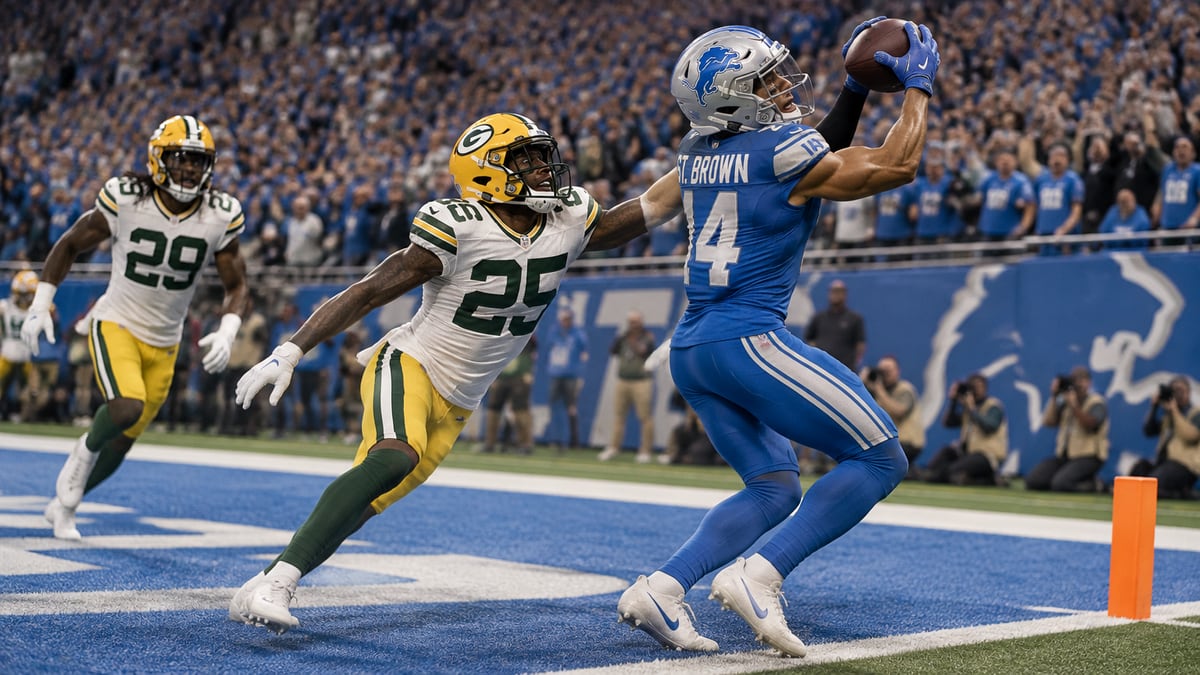
NFL Pick’em Apps and Late Inactives
Pick’em style apps post their own numbers, and those numbers can sit still while sportsbook lines reprice around fresh injury news. That gap is where late entries go wrong.
Two habits fix most of it. Build your entries after the inactives drop rather than the night before, and check the underlying book price on any leg tied to a player whose status was shaky all week. If the books have moved and the app has not, that difference is information, not a gift.
PrizePicks, Underdog and the sportsbooks all live on the same board inside the Prop Finder, so the comparison takes seconds instead of five open tabs.
What the List Does Not Tell You
An active player is not a full-time player. The list confirms availability and nothing else, so treat it as one input among several.
- Snap share. A returning starter coming off limited practices may split work. Game logs and snap counts answer that.
- Game script. Blowout risk trims fourth-quarter volume, which quietly kills overs on the leading team.
- Where the money went. Line movement after news tells you what the market already believes. Our guide to NFL public betting covers tickets versus money.
- Whether the backup is any good. Opportunity and production are different things.
A Twenty-Minute Pre-Kickoff Routine
Build the same sequence every week and it stops feeling like a scramble.
- Day before: note the soft lines and check a preliminary forecast. Nothing is final.
- Two hours out: confirm the weather and look for overnight movement on the numbers you liked.
- Ninety minutes out: the inactives drop. Read both teams, then re-read your card against the new depth charts.
- Sixty minutes out: price the survivors. If the edge is gone, the bet is gone.
- Five minutes out: log it. The free Bet Tracker keeps a running P&L so you can see which parts of this routine actually work for you.
For the bigger picture on how spreads and props fit together, the guide to NFL picks against the spread is the place to start, and the weekly NFL player props page shows the same board with the week’s numbers filled in.
None of this guarantees an outcome. Edges are long-run and variance is real, so size bets to your bankroll, keep it fun, and remember this is 21+ only. If betting stops being entertainment, call 1-800-GAMBLER.
Free preview
See today’s NFL player props on StatsBench
Live lines, hit rates and the best price across 30+ books and pick’em apps. A free preview shows today’s first props; a free account shows more.
Open the NFL player props board →
Prefer email? Get the daily picks newsletter.
Frequently Asked Questions
When are NFL inactives announced?
Each team submits its inactive list 90 minutes before kickoff, and the league posts both teams’ lists at the same time. Team accounts and beat writers usually publish them within seconds of that.
Does a questionable player usually play?
Sometimes, and that is the problem with the designation. Questionable covers players who end up playing most of the game and players who never dress, so the only reliable answer arrives with the inactive list.
How do inactives change player prop lines?
They redistribute opportunity. Targets, carries and pass attempts move to whoever is active, and books reprice fast. The slower adjustment usually shows up on the second or third option, not the direct backup.
Should I place prop bets before or after the inactives report?
After, unless you have a specific reason to move early. Waiting costs you some prices but removes the risk of betting a number built for a roster that has already changed.
Where can I see who replaces an inactive player?
Snap counts and game logs from the last time that player missed time are the fastest guide. StatsBench shows both next to every prop, so you can check the replacement’s workload in a couple of clicks.
 Today's NBA picks
 Today's NFL picks
 Today's NHL picks


 Today's College Football picks

 Today's College Basketball picks
 Today's La Liga picks


 Today's Bundesliga picks



 Today's Ligue 1 picks



 Today's MLS picks


 Today's CS2 picks

 Today's Valorant picks


 Today's Dota 2 picks



 PHI
 BOS
 DET
 MIA
 ATL
 NY
 CLE
 ORL
 TOR
 IND
 WSH
 CHA
 CHI
 BKN
 MIL
 LAL
 SA
 HOU
 MIN
 MEM
 POR
 DEN
 OKC
 DAL
 GS
 PHX
 NO
 LAC
 UTAH
 SAC
 BUF
 KC
 JAX
 CIN
 DEN
 PIT
 CLE
 NE
 LV
 BAL
 HOU
 IND
 NYJ
 LAC
 MIA
 TEN
 SF
 DET
 NYG
 CAR
 MIN
 CHI
 GB
 SEA
 LAR
 DAL
 WSH
 TB
 NO
 ATL
 ARI
 PHI
 CAR
 TB
 OTT
 NJ
 MTL
 BOS
 NYR
 FLA
 NYI
 WSH
 BUF
 PHI
 DET
 TOR
 PIT
 CBJ
 EDM
 MIN
 VGK
 DAL
 COL
 NSH
 UTA
 ANA
 WPG
 STL
 SJ
 CGY
 SEA
 LA
 CHI
 VAN
 UGA
 UTAH
 ND
 UCLA
 MIA
 IU
 ALA
 TEX
 TENN
 WAKE
 TTU
 BYU
 IOWA
 ORE
 BOIS
 OSU
 UK
 USC
 ARIZ
 HOU
 LOU
 LIB
 FLA
 MEM
 MISS
 MSU
 CONN
 UVA
 DUKE
 ILL
 KU
 SJU
 VAN
 MICH
 ARK
 GONZ
 NEB
 LSU
 Premier League table
 ARS
 BHA
 MCI
 LIV
 CHE
 EVE
 BOU
 BRE
 LEE
 AVL
 TOT
 NEW
 Hull City
 IPS
 FUL
 NFO
 Coventry
 MUN
 SUN
 CRY
 BAR
 RMA
 ATM
 BET
 RSO
 SEV
 ATH
 VIL
 DEP
 RAC
 CEL
 ALA
 ESY
 RAY
 GET
 OSA
 LVT
 ELC
 VAL
 MAL
 Serie A table
 LAZ
 INT
 ROM
 MIL
 COM
 Frosinone
 JUV
 BOL
 CAG
 NAP
 TOR
 ATA
 GEN
 LEC
 FIO
 PRM
 SAS
 MON
 VEN
 UDI
 FCB
 BVB
 SCF
 RBL
 B04
 SVW
 SV Elversberg
 VFB
 TSG
 SGE
 HSV
 M05
 SC Paderborn 07
 FCA
 KOE
 FCU
 FC Schalke 04
 BMG
 PSG
 LOSC
 PFC
 OM
 LYO
 NCE
 ASM
 REN
 B29
 LOR
 LEN
 TOU
 STR
 AUX
 Le Mans
 ANG
 Troyes
 LEH
 Champions League table
 Como
 BRU
 SCP
 Real Betis
 Lask Linz
 Manchester United
 GAL
 FEN
 AS Roma
 SHK
 Viking
 PSV
 BOD
 FC Porto
 AEK Athens FC
 Sabah FA
 FEY
 Lens
 SLA
 SLV